Mow at 7 AM or 6 PM? The Best Time of Day to Cut Your Grass
I learned the hard way that the best time of day to mow a lawn isn’t just about convenience—it’s about whether your grass thrives or struggles all week. Last June, I mowed at 10 AM on a scorching Saturday, thinking I was being efficient. By Sunday afternoon, the lawn looked like a patchy brown carpet with curled tips. The heat had essentially cooked the freshly cut blades before they could recover. That’s when I started paying attention to timing, not just the mower settings.
Grass is a living organism that responds to temperature, moisture, and light. When you cut it, you’re wounding each blade. The plant needs energy to heal—energy that comes from photosynthesis. If you mow during intense heat or when the grass is wet, you’re stacking stress on top of stress. The core reasons timing matters break down into three factors: moisture levels, temperature, and recovery window. Mow when the grass is dry (to avoid clumping and disease), cool (to prevent heat shock), and with enough daylight left for the plant to seal its wounds before nightfall. This isn’t lawn lore—it’s basic plant physiology that any turf specialist will confirm.
Most homeowners think “any time in the morning works,” but the difference between 7 AM and 9 AM can be the difference between a clean cut and a ragged tear. Dew evaporates gradually, and grass blades are most turgid (full of water) at dawn. Cutting them when they’re waterlogged makes them prone to tearing and fungal infections. On the flip side, mowing in the blistering midday sun forces the grass to lose moisture faster than it can replace it, turning recovery into a losing battle. The sweet spot? Late afternoon, when the grass has had a full day of photosynthesis but the sun’s intensity is dropping. That’s the best time to cut grass for long-term health.
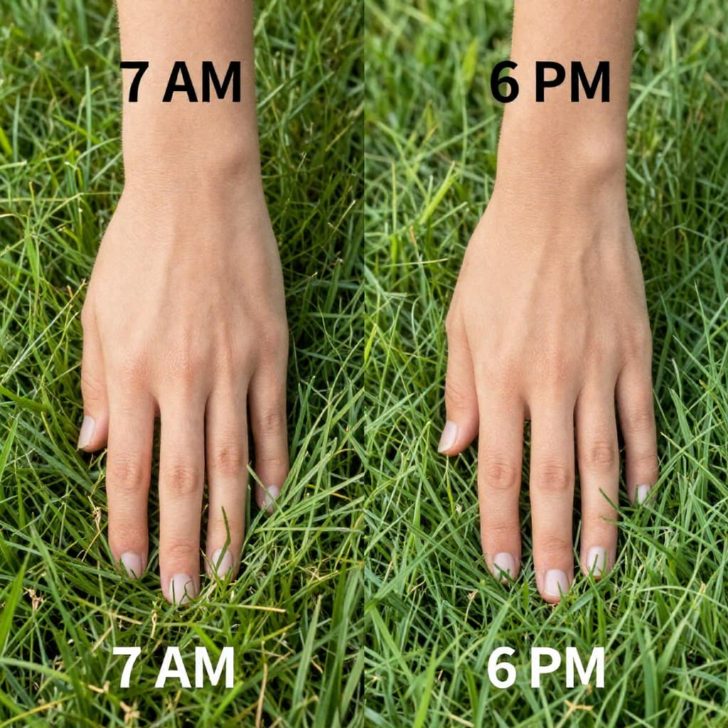
The 7 AM Myth vs. the 6 PM Reality
I’ve tested both extremes in my own yard, and the results were clear. When I mow at 7 AM, I’m fighting dew that wets the underside of every blade. The mower clogs, the grass clumps into wet piles, and by the time I finish, the lawn looks uneven and the clumps block sunlight from reaching the grass beneath. Worse, those wet clumps can smother patches and invite fungus. My neighbor once joked that my lawn looked like it had a bad haircut with cowlicks. He wasn’t wrong.
In contrast, mowing at 6 PM feels like a different sport. The grass is dry from the day’s sun, the air has cooled to the low 70s, and the lawn has had all day to photosynthesize and store energy. When I cut it at that hour, the grass bounces back visibly within two days—greener, denser, with no brown tips. The recovery window is key: the plant has the evening and overnight hours (when transpiration slows) to seal the cut ends and redirect energy to root growth. Morning mowing gives only a few hours of recovery before the midday sun hits, leaving the grass vulnerable.
Data from university extension services backs this up. Turfgrass recovers best when mowed between 4 PM and 6 PM in most climates. The exception is if you live in a region with intense afternoon thunderstorms—then you might shift to late morning (8-10 AM) after dew dries but before heat peaks. But for the vast majority of lawns, 6 PM wins over 7 AM. The afternoon mowing vs morning debate isn’t close when you look at recovery rates.
One tip I’ve learned: if you must mow in the morning, wait until the dew has visibly evaporated—usually around 8 or 9 AM, depending on your climate. Use a sharp blade to minimize tearing, and raise the mower deck slightly higher than usual to reduce stress. But honestly, if your schedule allows, shift to late afternoon. Your lawn will thank you with a deeper green and fewer weeds.
What About Midday, Evening, or Even Night Mowing?
Let’s tackle the other times people consider out of desperation or curiosity. Midday mowing—between 11 AM and 3 PM—is the worst option in my book. The sun is at its peak, temperatures often exceed 85°F, and the grass is already stressed from water loss. Cutting it then is like giving a sunburned person a haircut with dull scissors. The result is yellowed, brittle tips and a lawn that takes weeks to recover. I tried it once during a dry spell and regretted it for a month.
Evening mowing (after 8 PM) has its own pitfalls. While the temperature is cool, the grass stays wet longer due to reduced evaporation and dew forming overnight. Wet grass at night is a fungal playground—dollar spot, brown patch, and powdery mildew love those conditions. Plus, your neighbors won’t appreciate the noise after dark. In many towns, there are even noise ordinances that limit lawn work after 7 or 8 PM.
Night mowing with headlights? I’ve seen it done, and it’s a bad idea. You can’t see the grass well, so you risk scalping (cutting too low) or running over hidden objects like sprinkler heads or toys. The moisture issue doubles down at night. Stick to daylight hours—ideally between 4 PM and sunset in summer, or 8-10 AM in cooler months. The best time to mow in summer is late afternoon, without question.
Practical Tips to Nail Your Mowing Schedule
Knowing the ideal time is half the battle; executing it consistently is the other half. Here’s what I’ve refined after years of trial and error:
- Follow the one-third rule: Never cut more than one-third of the grass blade length at a time. This applies regardless of time of day. Cutting too short stresses the plant and invites weeds.
- Keep blades sharp: Dull blades tear the grass instead of cutting it cleanly. I sharpen mine every 4-6 weeks during the growing season. A clean cut heals faster at any time of day.
- Adjust for weather: If a heatwave is coming, mow a day earlier and raise the deck height to leave the grass longer (it shades the soil). If rain is forecast, mow a few hours before the storm so the grass has time to recover.
- Watch the forecast: Avoid mowing right before a drought or when the grass is already stressed from lack of water. The lawn needs moisture to recover.
- Change your pattern: Mow in a different direction each time to prevent grass from leaning and to encourage upright growth.
One counter-intuitive insight: mowing slightly higher in the afternoon than in the morning can reduce stress. When I raise my deck by half an inch in late afternoon cuts, the grass retains more leaf surface for photosynthesis, and the recovery is faster. This isn’t standard advice, but it works for me. You can also time your mowing around your watering schedule—water in the early morning, then mow in the late afternoon when the grass is dry but not parched.
Frequently Asked Questions
Is it okay to mow the lawn when it’s wet from dew or rain?
Generally no—wet grass clumps, clogs the mower, and can spread disease. Wait until the grass is dry, typically by mid-morning or late afternoon if rain stops. If you absolutely must mow wet grass, use a sharp blade and clean the mower deck afterward.
What if I can only mow at 7 AM due to my schedule?
It’s possible, but wait until dew has mostly evaporated (around 8 AM if possible) and use a sharp blade to minimize tearing. Avoid mowing very early to respect neighbors. Raise the deck slightly to reduce stress.
Does the best time change in summer vs. spring or fall?
Yes—in hot summers, late afternoon (around 5-6 PM) is ideal to avoid heat stress. In cooler seasons, mid-morning (8-10 AM) works well. Adjust based on temperature and sun intensity. In fall, morning mowing is fine because temperatures are mild.
Can mowing at night damage my lawn?
Night mowing is risky because grass stays wet longer in the dark, promoting fungal growth. It’s also harder to see and more dangerous. Stick to daylight hours if possible, even if that means mowing early morning instead.
How long should I wait to mow after fertilizing?
Wait 24-48 hours to let the fertilizer settle and prevent burning. Mow when grass is dry and you can see the cut lines clearly—usually the next day or two after application. This timing also helps distribute the fertilizer evenly.
Final takeaway: For most lawns, the best time of day to mow a lawn is late afternoon, around 4-6 PM, when the grass is dry, temperatures are cooling, and the plant has enough light to recover. If your schedule forces a morning cut, aim for 8-9 AM after dew evaporates. Either way, keep your blade sharp and your mower deck at the right height. Your lawn will reward you with a deep, even green that makes the whole neighborhood take notice.