7 Best Spring Bulbs for Beginners That Bloom Like Crazy (2026 Guide)
I’ll never forget the first fall I planted spring bulbs. I stood in my tiny rental yard with a bag of discount tulips, a rusty trowel, and absolutely no idea what I was doing. I dug holes too shallow, forgot to water them in, and half the bulbs got eaten by squirrels. But the ones that survived? They exploded into color the following April like a cheap firework show—crooked, uneven, and absolutely glorious. That first bloom convinced me: spring bulbs are the gateway drug of gardening. If you’re a beginner, you don’t need a green thumb—you just need the right bulbs and a little patience. Here are the 7 best spring bulbs for beginners that bloom like crazy, plus everything I wish someone had told me before I started.
Why Spring Bulbs Are the Perfect Starting Point for New Gardeners
Spring bulbs are almost absurdly forgiving. You plant them in the fall, forget about them all winter, and then one morning in March or April—bam—color. They don’t need daily watering, they rarely need fertilizer, and they’ll multiply on their own if you treat them halfway decent. For a beginner, that’s a dream. You get a big payoff for very little daily effort.
There’s also the timing advantage. Most spring bulbs are planted when the garden is winding down, which means you’re not competing with weeds or summer heat. You can take a Saturday afternoon in October, dig a few holes, and call it done. By the time spring rolls around, the soil has settled, roots have grown, and your only job is to stand back and enjoy the show.
Another reason I recommend bulbs to new gardeners: they teach you patience without punishing you for mistakes. Plant a bulb too shallow? It might still bloom, just a little wobbly. Plant it in less-than-perfect soil? Many bulbs adapt. They’re not like finicky annuals that keel over if you miss a watering. Bulbs store their own energy, so they’ve got a buffer. That built-in resilience is exactly what a beginner needs to build confidence.
The 7 Best Spring Bulbs for Beginners (That Bloom Like Crazy)
I’ve picked these seven based on my own experience and what I’ve seen work in dozens of gardens. Each one is widely available, low-maintenance, and reliably showy. I’ve included specific variety names where they matter, bloom timing, and the one trick that makes each bulb sing.
1. Daffodils (Narcissus) – The Unkillable Classic
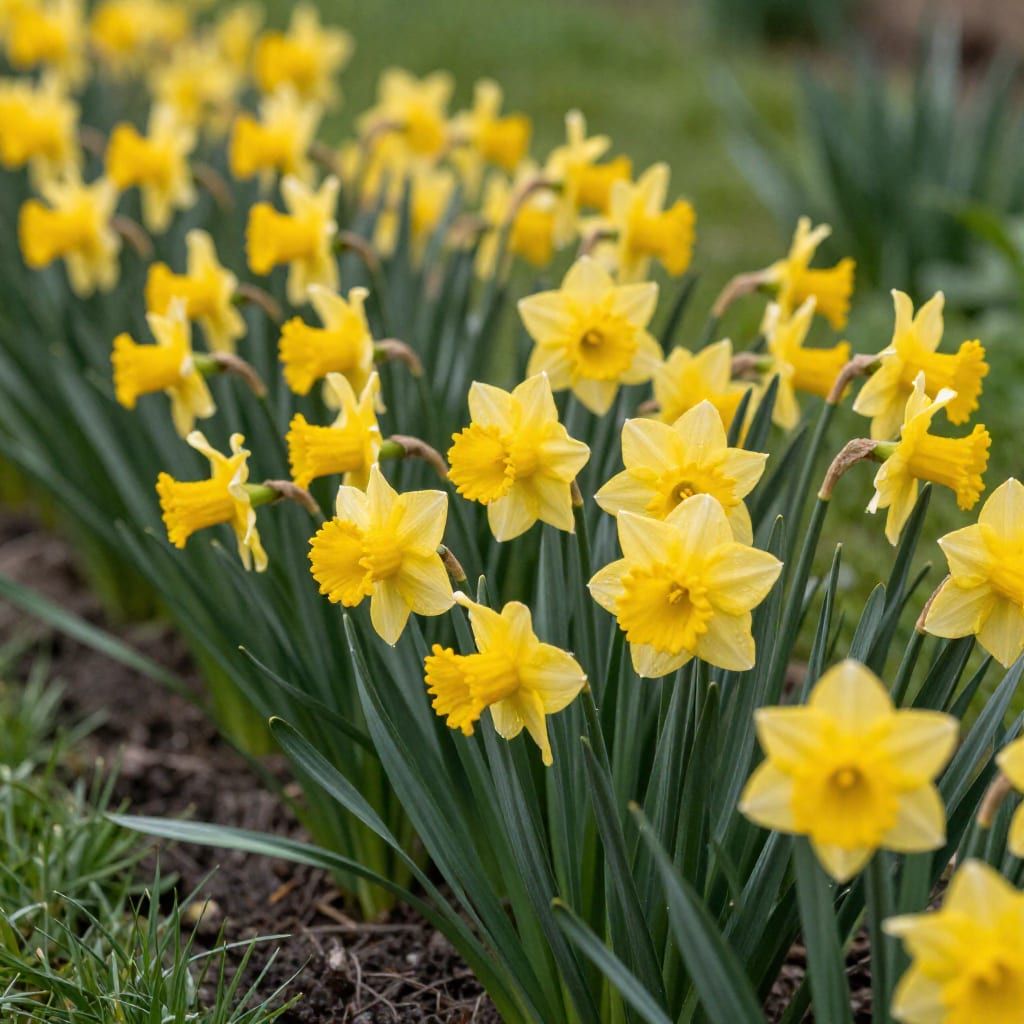
If I could only plant one spring bulb for the rest of my life, it would be daffodils. They are deer-resistant, rodent-proof, and they naturalize (spread) like crazy. I planted a bag of ‘Dutch Master’ daffodils five years ago, and now I have a colony that’s tripled in size. Bloom time is mid-spring, usually April where I am. Plant them 6 inches deep, and don’t worry about fertilizing—they’re fine with average soil. The only mistake beginners make is cutting back the foliage too early. Leave the leaves until they turn yellow, or the bulb won’t store energy for next year.
2. Crocus – The First Sign of Spring
Crocus are tiny but mighty. They’re often the first bulbs to bloom, sometimes pushing through snow. I plant ‘Jeanne d’Arc’ (white) and ‘Pickwick’ (striped purple) in clusters of 20 or more—they look best in drifts. Plant them only 3 inches deep, in a spot that gets early spring sun. Squirrels dig them up sometimes, so I cover the soil with a light layer of chicken wire until the ground freezes. Once they’re established, they’ll come back year after year. For a beginner, crocus is the confidence booster you need before the “big” bulbs show up.
3. Tulips – The Showstopper (with One Warning)
Tulips are the rock stars of spring, but they have a reputation for being short-lived. That’s true of some hybrids, but not all. For beginners, I recommend species tulips (like Tulipa tarda) or Darwin hybrid tulips (like ‘Apeldoorn’). They perennialize better than the fancy parrot tulips. I’ve had Darwin tulips return for four years straight. Plant them 6–8 inches deep in full sun. One trick: plant them a little deeper than the standard recommendation—that extra inch helps them survive hot summers and come back stronger. If squirrels are a problem, use a sprinkle of cayenne pepper on the soil after planting.
4. Grape Hyacinth (Muscari) – The Naturalizer
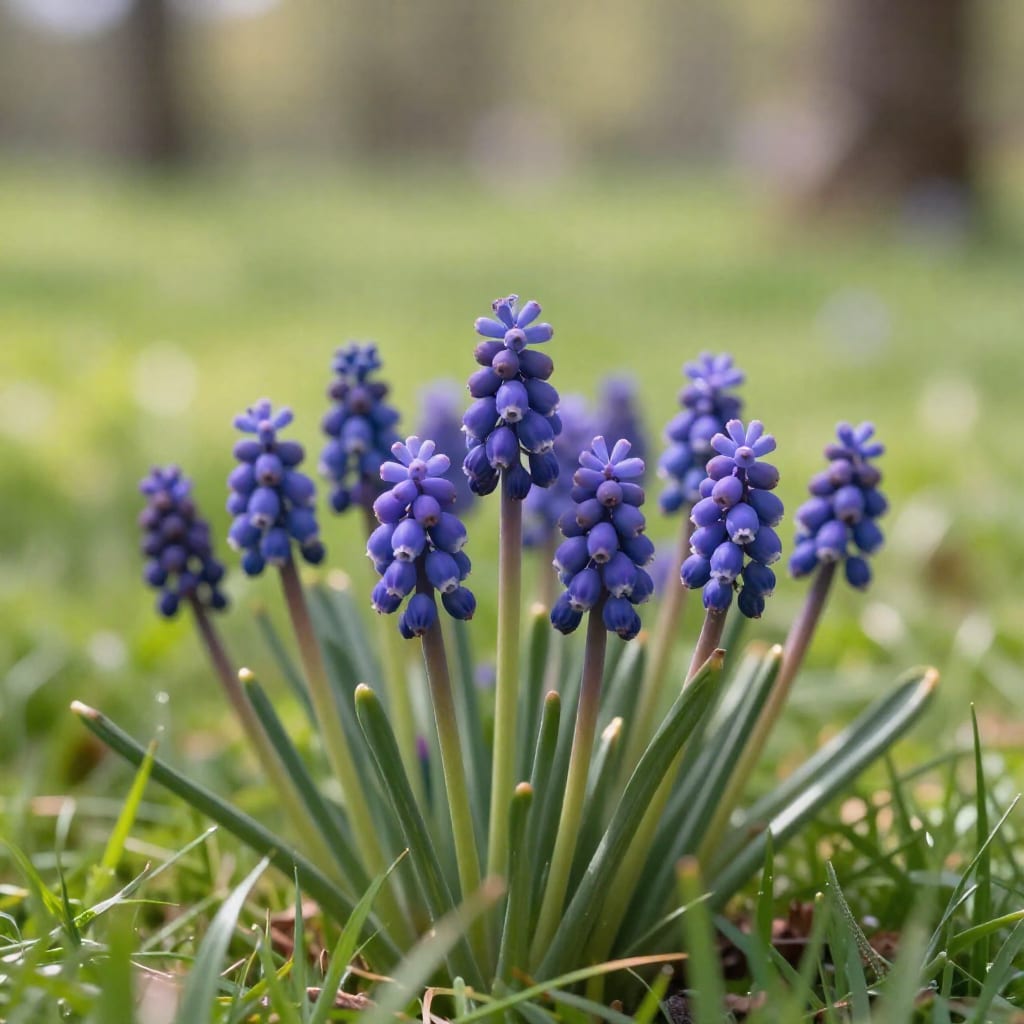
Grape hyacinths look like little clusters of blue grapes, and they’re almost impossible to kill. I planted a handful of ‘Armeniacum’ bulbs near my front walkway, and now they’ve formed a dense carpet that blooms every April. They spread by bulb offsets and self-seeding, so you’ll get more every year. Plant them 3–4 inches deep in groups of at least 15. They’re also excellent for containers. The only thing to know: they can be invasive in mild climates, so if you’re in zone 8 or warmer, keep them in a pot.
5. Snowdrops (Galanthus) – The Winter Survivor
Snowdrops bloom so early they often emerge through a layer of frost. I planted ‘Flore Pleno’ (a double-flowered variety) near my back door, and they’re the first thing I see in February. They’re tiny—only 4–6 inches tall—so plant them in a spot you walk past every day. Depth: 3 inches. They prefer partial shade and moist soil. Snowdrops are a little more expensive than other bulbs, but they’re worth it for the emotional boost at the end of winter. For a beginner, they’re a reminder that even when the garden looks dead, life is waiting underground.
6. Allium – The Architectural Wonder
Alliums look like purple or white lollipops floating above the garden. They’re deer-resistant, drought-tolerant once established, and they bloom in late spring after tulips and daffodils fade. I grow ‘Purple Sensation’ (a reliable 24-inch-tall variety) and ‘Globemaster’ (which produces heads the size of a softball). Plant them 6–8 inches deep in full sun. The dried seed heads look great through summer, so don’t cut them down. Alliums are the bulb that makes non-gardeners stop and ask, “What is that?” They’re an easy way to add a wow factor without any fuss.
7. Siberian Squill (Scilla siberica) – The Blue Carpet
Siberian squill is a petite bulb that produces brilliant blue, star-shaped flowers in early spring. It naturalizes aggressively in lawns and under trees, creating a carpet of color. I planted a bag of bulbs in a bare patch under my maple tree, and within three years it had spread to cover about 50 square feet. Plant them 3 inches deep, in any soil that isn’t swampy. They’re incredibly cold-hardy. The only caveat: they can be weedy in some regions, so avoid them if you live near native woodlands. For a beginner, they’re a low-risk, high-reward way to fill a bare spot.
What You’ll Need: Tools and Prep for Your First Spring Bulb Garden
You don’t need a shed full of gear. Here’s the short list of what actually matters:
- A trowel or bulb planter – A sturdy trowel is fine for small patches. For large areas, a bulb planter (a tool that removes a core of soil) saves your back.
- Compost or bone meal – A handful of compost in each hole gives bulbs a slow-release nutrient boost. Bone meal is a classic choice, but it’s optional.
- Garden gloves – Some bulbs (like tulips) can irritate skin. Gloves also keep your hands clean.
- Chicken wire or cayenne pepper – To deter squirrels and voles. I use cayenne on the soil surface after planting.
- A measuring stick or ruler – Depth matters. Use a stick marked at 3, 6, and 8 inches to check your holes.
Before planting, loosen the soil to about 10 inches deep. Remove any large rocks or weeds. If your soil is heavy clay, mix in a few handfuls of compost or sand to improve drainage. Bulbs rot in waterlogged soil, so drainage is your top priority. Plant the bulbs pointy side up (that’s the stem end), cover with soil, and water them in once—then leave them alone until spring.
Common Beginner Mistakes (and How to Avoid Them)
I made every mistake in the book, so you don’t have to. Here are the three that trip up most beginners:
Mistake #1: Planting too shallow or too deep. I once planted tulips only 2 inches deep because I was in a hurry. They bloomed, but they flopped over like tired party guests. The fix: use the 2–3 times rule. A 2-inch bulb needs a 4–6 inch hole. A 3-inch bulb needs 6–9 inches. Measure once, plant once.
Mistake #2: Watering too much. Bulbs don’t need constant moisture. Overwatering in fall can cause rot. Water deeply right after planting, then let nature take over. If your fall is unusually dry, give them a drink every two weeks. Otherwise, leave them alone.
Mistake #3: Choosing bulbs that aren’t suited to your climate. A friend in zone 9 planted classic tulips and got nothing because they need a cold period. Check the bulb’s hardiness zone before buying. For warm climates (zones 8–10), look for “pre-chilled” tulips or choose daffodils, which need less cold. I’ve also had good luck with paperwhites (Narcissus papyraceus) in containers for warmer zones.
Another mistake I see: planting bulbs in single rows or lonely singles. Bulbs look best in groups of at least 10. Think “drift” not “dot.” I plant in clumps of 15–20 for small bulbs like crocus, and 5–10 for larger ones like tulips.
FAQ
When is the best time to plant spring bulbs for beginners?
Plant in fall, typically 6–8 weeks before the ground freezes, so roots establish before winter. Check your local frost dates. For most of the US, that means September through November.
Do I need to fertilize spring bulbs when planting?
A balanced bulb fertilizer or bone meal at planting time helps, but it's optional—many bulbs bloom fine without it in decent soil. I skip fertilizer for daffodils and crocus, but use a handful of compost for tulips and alliums.
How deep should I plant spring bulbs?
A general rule: plant bulbs at a depth equal to 2–3 times their height. For example, a 2-inch tulip bulb goes 4–6 inches deep. A 1-inch crocus bulb goes 2–3 inches deep.
Can I plant spring bulbs in pots or containers?
Yes, use pots with drainage holes and a quality potting mix. Ensure the container is deep enough (at least 6–8 inches) and protect from freezing by moving it against a house wall or wrapping the pot in bubble wrap. I’ve grown daffodils and tulips in half-barrels for years.
What if my spring bulbs don’t bloom the first year?
This is common with some varieties (like daffodils) if bulbs are small or planted too shallow. Ensure proper depth, sunlight, and wait for next season. Sometimes bulbs just need a year to settle in. Be patient—they’ll usually reward you the second year.
Here’s the honest truth: you don’t need to be a master gardener to have a spectacular spring display. You just need to pick the right bulbs, plant them at the right depth, and have the patience to wait through winter. The seven bulbs I’ve listed are my go-to recommendations because they’ve proven themselves in my own garden and in dozens of beginner plots I’ve helped plant. Save this guide, bookmark it, and when October rolls around, grab a trowel and get dirty. Your spring self will thank you.