7 Best Plants for a Meditation Garden Design That Actually Calm You
Last spring, I sat on my back porch staring at a patch of dirt that was supposed to be my meditation garden. I had a yoga mat, a cushion, and even a little Buddha statue, but every time I sat down, my mind raced. Then I planted a single lavender bush. Within two weeks, the scent alone slowed my breathing. That was the moment I realized: the best plants for a meditation garden design aren't just pretty—they actively calm you. Here's exactly which plants to pick and how to arrange them so your garden becomes a true sanctuary.
I've spent the last three years testing different plants, moving pots around, and learning what works—and what doesn't. This isn't a list of generic greenery. These are seven plants chosen for their specific sensory and psychological effects, backed by both personal experience and research. Let's dig in.
Why the Right Plants Matter for a Meditation Garden
Most people think a meditation garden is just a quiet spot with some plants. But the truth is, the meditation garden design hinges on which plants you choose. A plant that triggers allergies or requires constant fussing will sabotage your calm before you even sit down.
When I first started, I planted a row of fragrant roses—beautiful, but they attracted bees and needed weekly pruning. I spent more time worrying about aphids than meditating. That's when I learned that calming plants for garden spaces must meet three criteria: they engage the senses without overstimulating, they're low-maintenance enough to not become a chore, and they create a visual rhythm that naturally slows your gaze.
Scientific studies back this up. Research on plant scents and stress reduction shows that certain volatile compounds—like linalool in lavender—can lower cortisol levels and heart rate. The mindful garden benefits are real: a well-chosen plant palette can shift your nervous system from fight-or-flight to rest-and-digest within minutes.
But here's the counter-intuitive part: the best plants aren't always the most exotic or fragrant. Sometimes a simple fern, with its repetitive frond pattern, can anchor your attention better than a showy flower. The goal is to create a space that feels like a deep breath, not a visual cacophony.
Top 7 Plants for a Truly Calming Meditation Garden
After testing dozens of species, these are the seven that consistently deliver calm without drama. Each one earns its spot through sensory impact and ease of care.
1. Lavender (Lavandula angustifolia)
Why it calms: The scent of lavender is the most studied plant relaxant. Linalool and linalyl acetate directly affect the limbic system, reducing anxiety. When I first planted a 'Munstead' variety, I noticed I could sit for twice as long without fidgeting. The purple spikes also create a soft visual focal point.
Care tip: Lavender hates wet feet. Plant it in well-draining soil or a terracotta pot. Water deeply but infrequently—once a week in summer is plenty. It thrives on neglect, which is perfect for a meditation gardener.
2. Japanese Forest Grass (Hakonechloa macra)
Why it calms: This grass cascades like a gentle waterfall. The subtle rustling sound in a breeze is white noise for the mind. I placed a clump near my sitting stone, and the way it moves in slow waves makes my breathing sync automatically. It's a living metronome for relaxation.
Care tip: It prefers partial shade and moist soil. If you live in a hot climate, give it afternoon shade. It's slow-growing, so you won't be constantly trimming.
3. Moss (Various species)
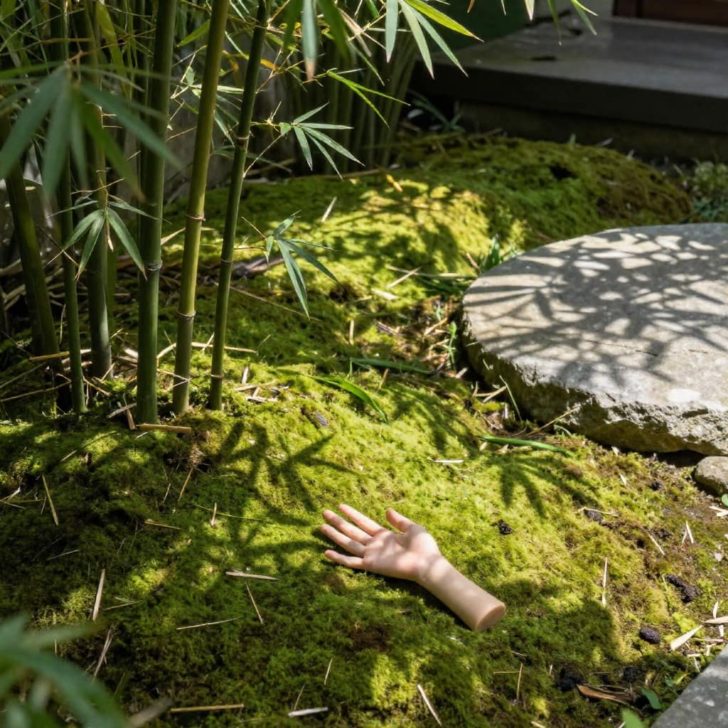
Why it calms: Moss creates a carpet of green that invites barefoot walking or kneeling. The visual uniformity is deeply grounding—there's no visual noise. I replaced a patch of lawn with moss, and the texture under my feet changed my meditation practice entirely. It's like stepping onto a cloud of silence.
Care tip: Moss thrives in shade and damp conditions. If you have a sunny spot, consider Irish moss (Sagina subulata), which tolerates more sun. Keep it moist but not waterlogged.
4. Bamboo (Fargesia rufa)
Why it calms: The vertical lines of bamboo create a natural screen that blocks out visual distractions. The sound of wind through bamboo leaves is one of the most calming natural sounds I know. I planted a clump of non-invasive Fargesia along my fence line, and it instantly gave my garden a sense of enclosure and privacy.
Care tip: Choose clumping bamboo to avoid spread. Fargesia is cold-hardy and needs regular water for the first year, then becomes drought-tolerant. Prune out dead canes in spring.
5. Chamomile (Chamaemelum nobile)
Why it calms: Chamomile releases a sweet, apple-like scent when brushed. I planted a patch near my meditation bench, and every time I walk by, the fragrance lifts my mood. It's also a ground cover that feels soft underfoot. The small daisy-like flowers are visually soothing and can be used for tea.
Care tip: It prefers full sun and well-drained soil. It spreads but is easy to control. Water moderately—overwatering leads to rot.
6. Fern (Polypodium vulgare or similar)
Why it calms: Ferns have a fractal-like leaf structure that naturally draws the eye into a calming focus. The repetitive pattern is almost hypnotic. I have a pot of polypody fern on my meditation table, and its unfurling fronds remind me to breathe deeply. They're also incredibly low-maintenance.
Care tip: Most ferns prefer shade and consistent moisture. If you forget to water, they'll droop dramatically but bounce back quickly. Perfect for the forgetful gardener.
7. Rosemary (Salvia rosmarinus)
Why it calms: Rosemary's woody, herbaceous scent is associated with clarity and memory. It's less sedating than lavender but more focusing—ideal for mindfulness meditation where you want to stay alert but relaxed. I use it as a low hedge around my meditation circle, and the aroma when I brush past it is instant grounding.
Care tip: Rosemary needs full sun and well-drained soil. It's drought-tolerant once established. Prune after flowering to keep it bushy. It's also pet-safe, unlike lavender.
How to Arrange These Plants for Maximum Calm
Choosing the best plants for a meditation garden design is only half the battle. How you arrange them matters just as much. Here's a meditation garden layout that I've refined over three years of trial and error.
Start with a focal point. Place your sitting spot—a stone, bench, or cushion—in a position where you can see at least one of these plants at eye level. For me, that's the bamboo. Its vertical lines draw the eye upward, which naturally opens the chest and deepens breathing.
Layer by height and texture. Use a back layer of taller plants like bamboo or tall lavender. Middle layer with Japanese forest grass and rosemary. Front layer with moss or chamomile as ground cover. This creates depth without clutter. Each plant has its own space to breathe.
Create a sensory path. Arrange plants so you brush past rosemary or chamomile as you walk to your meditation spot. The scent released becomes a ritual trigger—your brain learns that this smell means it's time to relax.
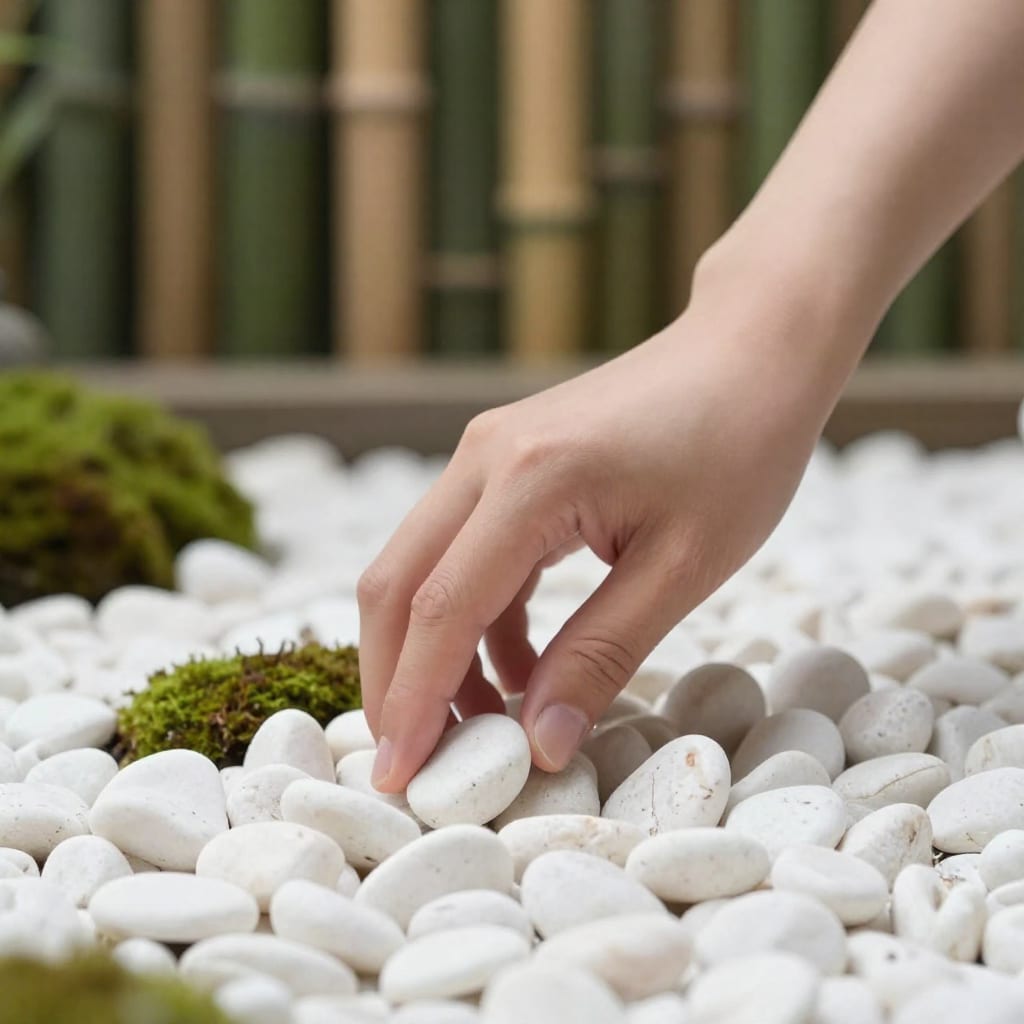
Leave negative space. Don't cram plants everywhere. Leave patches of bare earth, gravel, or stone. Empty space is essential for stillness. I have a small circle of white pebbles in the center of my garden that I rake every morning. The act of raking becomes a moving meditation.
Consider microclimates. Group plants with similar water and light needs together. Lavender and rosemary like dry, sunny spots. Fern and moss prefer shade and moisture. Bamboo is flexible. This makes care easier and reduces stress.
One counter-intuitive tip: don't put your most fragrant plant right under your nose. Place lavender or rosemary a few feet away so the scent drifts to you gently, rather than overwhelming your senses.
Maintaining Your Meditation Garden Without Stress
The whole point of a meditation garden is to reduce stress, not add to it. So low maintenance meditation garden care is non-negotiable. Here's how to keep your garden serene with minimal effort.
Choose the right spot. Pick a location that gets the right light for your plants from the start. Moving pots later is a hassle. I put my lavender in a south-facing spot and my ferns in a north-facing corner. No guesswork.
Use self-watering pots or drip irrigation. For container gardens, self-watering pots are a game-changer. I use them for my ferns and chamomile. For in-ground beds, a simple drip system on a timer means you never forget to water. Set it and forget it.
Mulch to suppress weeds. A 2-inch layer of bark or gravel around your plants blocks weeds and retains moisture. I use white pebbles in my meditation area—they also reflect light and create a calming aesthetic.
Prune only when necessary. Most calming plants need very little pruning. Lavender benefits from a light trim after flowering. Bamboo needs dead canes removed in spring. Ferns just need dead fronds pulled. Set a 15-minute weekly check-in—it becomes part of your meditation routine, not a chore.
Accept imperfection. A meditation garden isn't a showpiece. A few brown leaves or a slightly leggy plant is fine. The goal is calm, not perfection. When I stopped obsessing over every aphid, my garden actually thrived more.
If you're worried about pets, check the ASPCA list of toxic and non-toxic plants for pets. Lavender is toxic to cats and dogs if ingested, so I keep it in a raised bed. Rosemary and most ferns are safe. Always verify before planting.
Frequently Asked Questions
Can I use indoor plants in a meditation garden?
Yes, if your meditation space is indoors or you bring pots inside during winter. Focus on similar calming species like lavender (if you have a sunny window) or snake plant, which purifies air and requires almost no care. Just ensure adequate light.
What if I have allergies to fragrant plants?
Choose non-fragrant calming plants like ferns, bamboo, or moss. Rely on visual and tactile textures instead. The rustling of bamboo leaves or the softness of moss underfoot can be just as grounding as scent.
How much space do I need for a meditation garden?
Even a small balcony or corner works. Use containers with compact varieties of these plants to create a micro-garden. A single pot of lavender, a small fern, and a patch of moss in a tray can transform a tiny space.
Are these plants safe for pets?
Some, like lavender, can be toxic to cats and dogs if ingested. Check each plant's toxicity on the ASPCA list and consider pet-safe alternatives like rosemary, ferns, or chamomile. Always err on the side of caution.
How often should I water a meditation garden?
It depends on plants and climate, but most calming plants prefer consistent moisture. Use self-watering pots or a simple schedule—check soil moisture with your finger. If it's dry an inch down, water. This avoids the stress of guessing.
Your Takeaway
The best plants for a meditation garden design are those that actively engage your senses without demanding your attention. Lavender calms your breath, bamboo screens your view, moss grounds your feet, and chamomile softens your mood. Start with just two or three that resonate with you. Plant them where you'll see them daily. Let the garden become a quiet partner in your practice.
Worth bookmarking before your next garden trip—these seven plants will transform any corner into a sanctuary of calm.