Terra Cotta vs Plastic: The Best Pot Material for Indoor Plants in 2026
I killed my first snake plant with kindness—and a plastic pot. For two years, that Sansevieria sat in a dark corner of my bedroom, getting watered every Sunday like clockwork. It looked fine until the day its leaves turned to mush at the base. When I pulled it out, the roots were brown sludge, and the bottom inch of potting mix smelled like a swamp. That was 2023. By 2026, I’ve learned that the pot material you choose isn’t just aesthetics—it’s a life-or-death decision for your indoor plants. With new smart-home humidity sensors, self-watering inserts, and the rise of moisture-sensitive tropical hybrids, the old terra cotta vs plastic debate has never been more urgent. Here’s what I’ve discovered from wrecking and rescuing over forty plants, so you don’t have to repeat my soggy mistakes.
Terra Cotta: The Classic Breathable Choice for Root Health
Unglazed terra cotta is my go-to for anything that hates wet feet. The clay is naturally porous—think of it as a wicking fabric for soil. When you water a terra cotta pot, some moisture evaporates through the walls, pulling excess water away from roots and encouraging them to breathe. That same evaporation also creates a gentle air-pruning effect: roots hit the dry inner surface and stop circling, branching out instead into a dense, healthy mass.
In my own setup, I’ve got a dozen terra cotta pots on a south-facing windowsill holding succulents, cacti, and a scraggly aloe vera that refuses to die. I water them once every two to three weeks in winter, and the clay dries out fast enough that I’ve never seen root rot—even when I accidentally left the faucet running for an extra five seconds. The downside? Terra cotta is heavy. A 10-inch pot filled with damp soil weighs about 12 pounds, which is a pain if you like to rotate your plants for even light. It’s also fragile: I’ve chipped three rims just by bumping them against the sink. And those white mineral deposits that form on the outside? That’s calcium and salt from tap water. They’re harmless, but if you dislike the look, soak the pot in a vinegar solution once a month.
For plants that need consistent dryness—snake plants, jade plants, most cacti—terra cotta is non-negotiable. But here’s the counter-intuitive truth: it can also work for moisture-loving plants like ferns, if you’re willing to water every other day in summer. I tried a Boston fern in a terra cotta pot last year, and it thrived—but only because I checked soil moisture with a finger every morning. If you tend to forget watering, stick with plastic for thirsty species.
Plastic Pots: Lightweight, Moisture-Retaining, and Modern
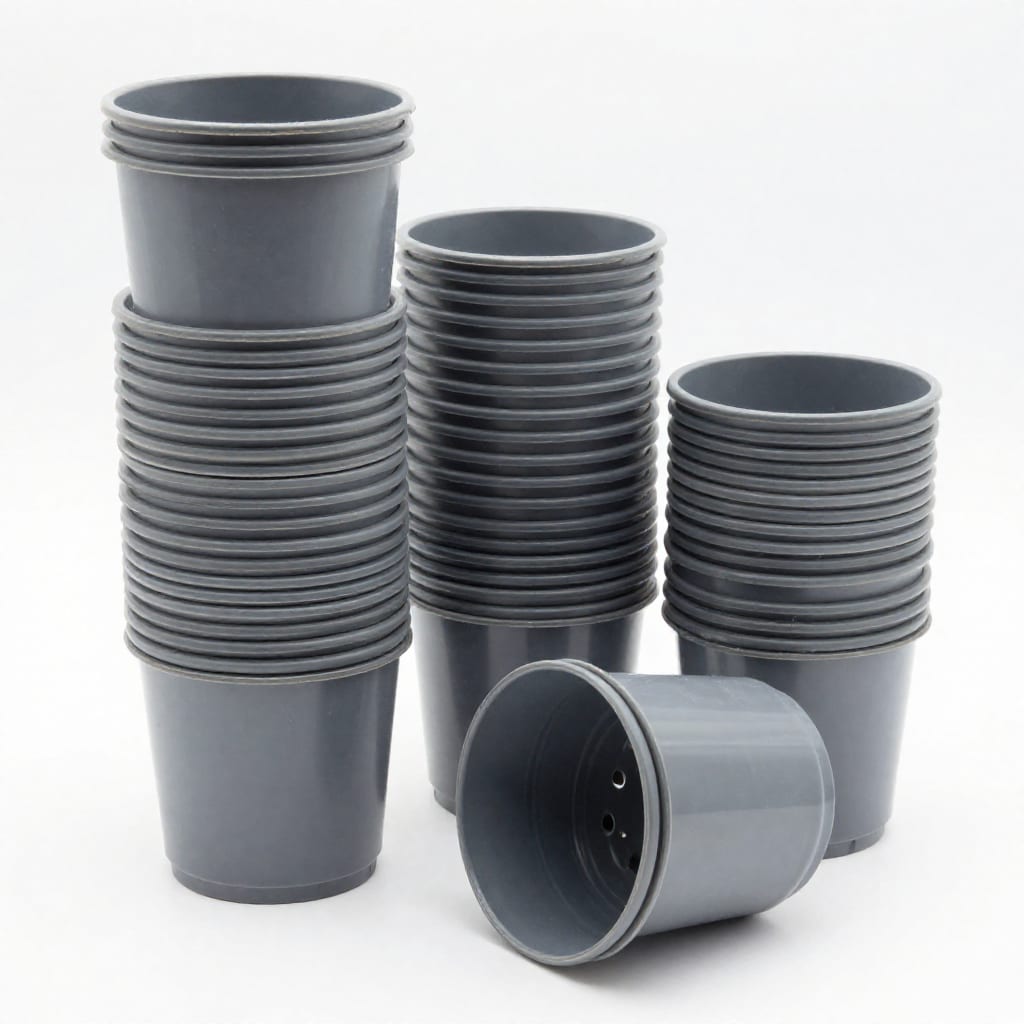
Plastic pots are the workhorses of the indoor plant world—cheap, durable, and excellent at holding water. A standard 6-inch nursery pot costs about 50 cents, weighs almost nothing, and won’t crack if you drop it. The lack of porosity means that water stays in the soil longer, which is a blessing for plants that like consistent moisture: pothos, philodendrons, peace lilies, and calatheas.
But that same moisture retention is a double-edged sword. In my early days, I used a plastic pot for a ZZ plant—a species that naturally stores water in its rhizomes and prefers to dry out completely between drinks. I watered it every two weeks, but the soil stayed damp for three weeks because the plastic didn’t let any moisture escape. Within four months, the roots began to rot. The fix was simple: I repotted it into terra cotta and cut watering to once a month. The ZZ rebounded and is now pushing out new shoots.
In 2026, the plastic landscape is shifting. Many brands now sell pots made from recycled ocean plastic or bioplastics derived from corn starch. I tested a bioplastic pot from a company called EcoGrow last spring: it felt similar to regular plastic but had a slight rough texture and degraded slightly after six months of continuous moisture. It’s not a silver bullet—bioplastics still require industrial composting facilities to break down properly—but it’s better than virgin plastic. My rule of thumb: if you use plastic, always pair it with a pot that has drainage holes, and never let the saucer sit full of water for more than 24 hours.
How to Match Pot Material to Your Plant and Home in 2026
Here’s the decision framework I’ve landed on after three years of trial and error. It comes down to three factors: your plant’s natural habitat, your home’s humidity, and your personal watering habits.
Use terra cotta for:
- Succulents, cacti, snake plants, ZZ plants, aloe vera, and any plant native to arid regions.
- Homes with high humidity (above 60%)—the extra evaporation helps prevent fungal issues.
- Growers who tend to overwater (guilty as charged). The clay acts as a safety net.
Use plastic for:
- Pothos, philodendrons, ferns, peace lilies, calatheas, and other tropical understory plants.
- Low-light rooms where soil dries slowly anyway—plastic holds moisture longer, reducing watering frequency.
- Hanging baskets or shelves where weight matters. A plastic 10-inch pot weighs about 2 pounds, versus 12 for terra cotta.
I keep a cheat sheet taped to my watering can: “Dry-lovers get clay; moisture-lovers get plastic.” But here’s the nuance: you can also use a plastic pot inside a decorative cachepot (no drainage) as long as you take the plastic pot out to water and drain. That gives you the best of both worlds—lightweight convenience and controlled moisture.
Beyond the Basics: Glazed Ceramic vs. Biodegradable Options
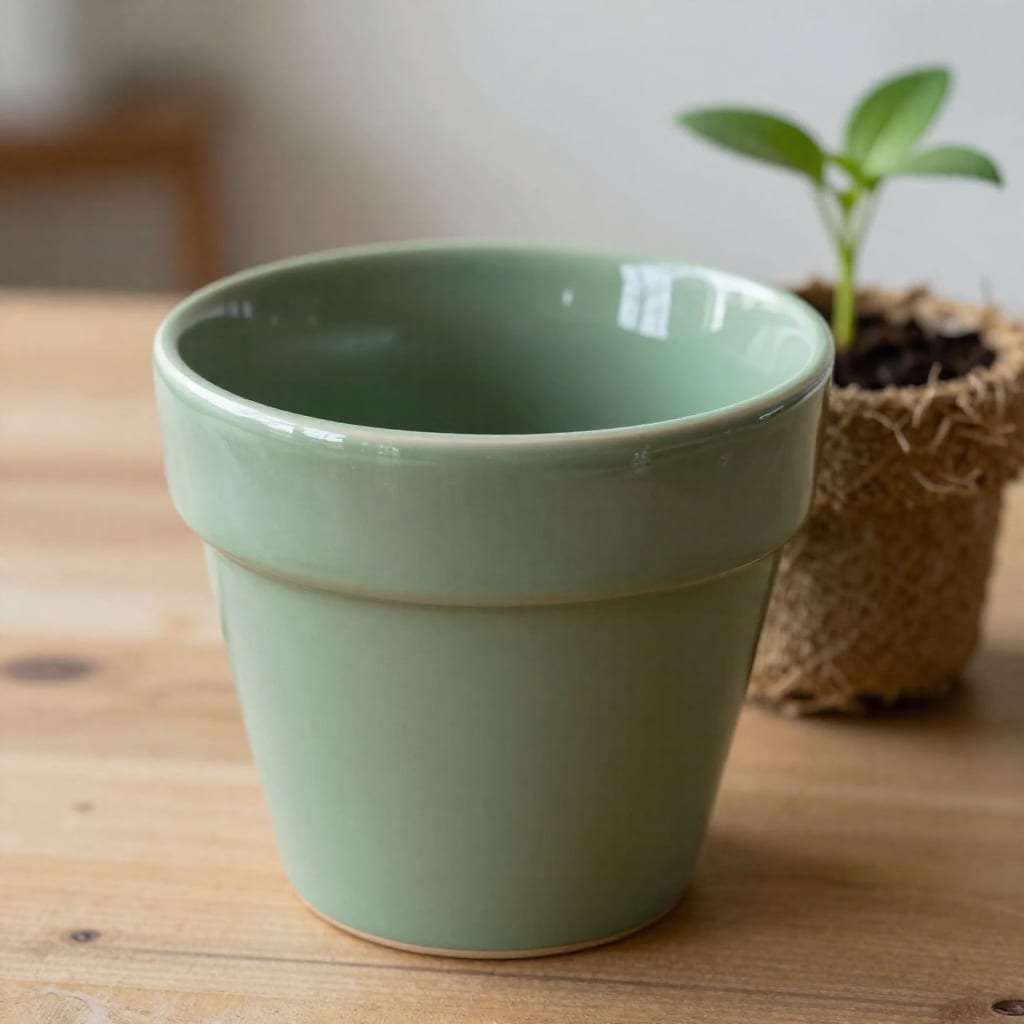
If neither pure terra cotta nor plastic feels right, the middle ground is glazed ceramic or biodegradable alternatives. Glazed ceramic pots are essentially terra cotta coated with a waterproof seal. They look beautiful, come in endless colors, and retain moisture almost as well as plastic—but they cost more (often $20–$40 for a 8-inch pot) and can still crack if dropped. I use glazed pots for my calatheas because they keep humidity high around the roots without the risk of plastic leaching chemicals (a minor concern, but debated).
Biodegradable pots made from coconut coir, peat, or rice hulls are increasingly common in 2026. They’re fantastic for seedlings and short-term use—they break down in soil within a year—but they dry out extremely fast and can attract fungus gnats if kept wet. I tried a coir pot for a peace lily and had to water it every day in summer. Not practical for most houseplants. My honest take: stick with these for annuals or vegetable starts, not your indoor jungle.
Final Verdict: Which Pot Material Wins for Your Indoor Jungle?
There’s no single winner—the best pot material depends on your plant and your habits. But if I had to choose one for an average indoor plant collection in 2026, I’d say: start with terra cotta for anything that likes to dry out, and plastic for everything else. If you’re eco-conscious, seek out recycled or bioplastic options, and always reuse pots—nurseries will often take back clean plastic pots for free.
Worth bookmarking this article before your next trip to the garden center: print the cheat sheet or save it to your phone. The few minutes you spend matching pot to plant now will save you from the heartbreak of a mushy-rooted monstera later.
Summary table:
| Feature | Terra Cotta | Plastic |
|---|---|---|
| Breathability | Excellent | Poor |
| Moisture retention | Low | High |
| Weight (10-inch pot) | ~12 lbs | ~2 lbs |
| Cost (6-inch) | $3–$8 | $0.50–$2 |
| Best for | Succulents, cacti, snake plants | Pothos, ferns, peace lilies |
| Environmental impact | Natural clay, renewable | Non-biodegradable (recycle or reuse) |