7 Best Shrubs for a Low-Maintenance Landscape That Thrive on Neglect
I still remember the Saturday I spent wrestling a giant, overgrown privet hedge that had somehow turned into a small forest in just two years. My back ached, my clippers were dull, and I swore I'd never plant anything that needed that much attention again. That's when I started hunting for shrubs that would actually thrive on neglect—plants that could handle my busy schedule, survive my forgetful watering, and still look good without constant pruning, fertilizing, or spraying. After trying dozens of varieties in my own yard, I've narrowed down the seven best shrubs for a low-maintenance landscape that truly deliver. These aren't just easy-care plants; they're the kind you can plant, water for a season, and then basically ignore while they reward you with color, texture, and structure year after year. If you're tired of being a slave to your garden, this list is your shortcut to freedom.
What Makes a Shrub Truly Low-Maintenance?
Before we dive into the list, let's get clear on what 'low-maintenance' actually means—because a lot of nursery tags lie. A truly neglect-friendly shrub has three non-negotiable traits: drought tolerance once established, natural resistance to common pests and diseases, and a growth habit that stays tidy without constant shearing. In my experience, the biggest mistake people make is buying a shrub labeled 'easy care' without checking its specific needs. For example, some so-called low-maintenance shrubs need regular deadheading or precise soil pH to bloom. I learned that the hard way with a hydrangea that refused to flower until I amended the soil twice. So here's the cheat sheet: look for shrubs that are native or well-adapted to your region, have a moderate to slow growth rate (so you're not trimming every month), and can handle full sun to partial shade without drama. Drought tolerance is huge—if a shrub can survive a two-week vacation without water, it's a winner. Pest resistance matters too; the best shrubs for a low-maintenance landscape are the ones that bugs and diseases simply ignore. And finally, choose shrubs that need minimal pruning—either naturally compact forms or those that bloom on old wood so you only cut once a year.
The 7 Best Shrubs for a Low-Maintenance Landscape
Here are the seven shrubs that have proven themselves in my garden and countless others: tough, beautiful, and happy to be left alone.
1. Knock Out Rose (Rosa 'Knock Out')
This is the shrub that changed my mind about roses. I used to think all roses were divas that demanded constant spraying and deadheading. The Knock Out series is the opposite: it blooms from spring to frost without any deadheading, resists black spot and powdery mildew, and shrugs off drought once established. In my yard, I planted three in a sunny border and they've thrived on just an annual pruning in early spring—that's it. They're also self-cleaning, meaning the petals drop cleanly without leaving ugly brown heads. If you want color with zero fuss, this is the top pick among the best shrubs for a low-maintenance landscape.
2. Boxwood (Buxus sempervirens)
Boxwoods are the ultimate structured shrub for lazy gardeners. They grow slowly, stay green all year, and need pruning only once a year—or even less if you let them grow naturally. I have a row of 'Green Mountain' boxwoods along my walkway that I haven't trimmed in two years, and they still look neat. They're also deer-resistant and tolerate both sun and partial shade. Just avoid planting them in soggy soil; good drainage is key. For a formal look without the work, boxwood is unbeatable.
3. Oakleaf Hydrangea (Hydrangea quercifolia)
Most hydrangeas are high-maintenance, but oakleaf hydrangea is the exception. It's a native shrub that thrives in partial shade, has gorgeous oak-shaped leaves that turn burgundy in fall, and produces creamy white flower panicles that last for months. The best part? It doesn't need pruning at all—just remove dead wood in spring. In my own setup, I planted one under a maple tree where nothing else would grow, and it's now a 6-foot beauty that blooms every year with zero intervention. This is a perfect choice for shady spots where other shrubs struggle.
4. 'Blue Star' Juniper (Juniperus squamata 'Blue Star')
If you need a low-growing, drought-proof shrub for sunny slopes or rock gardens, this is it. 'Blue Star' juniper has silvery-blue needle-like foliage, grows only 2-3 feet tall, and spreads slowly. It's so tough that I've seen it survive on a south-facing bank with no irrigation. No pruning needed, no pests, and it laughs at heat. I use it as a groundcover in a dry, sunny area that used to be a dust bowl—now it's a blue-green carpet that stays perfect all year.
5. Viburnum (Viburnum spp.)
Viburnums are the unsung heroes of the low-maintenance world. They're tough, pest-resistant, and offer multi-season interest: spring flowers, summer berries, and fall color. I planted a 'Winterthur' viburnum in clay soil (which is notoriously difficult) and it thrived without any amendments. Most viburnums only need an occasional prune to shape them, and they're great for screening or as standalone specimens. They're also deer-resistant and tolerate both sun and part shade. If you want a shrub that gives back without asking much, this is a solid bet.
6. Dwarf Yaupon Holly (Ilex vomitoria 'Nana')
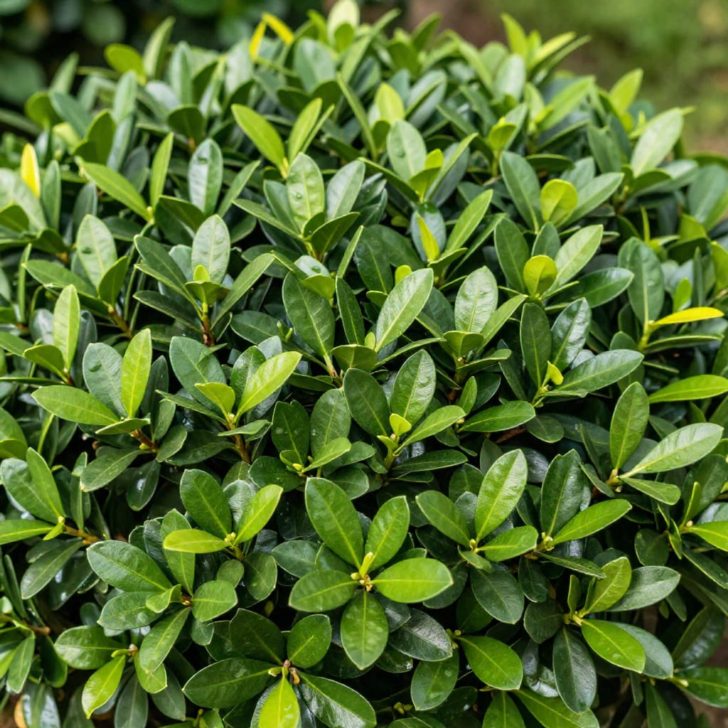
Yaupon holly is a native shrub that's practically indestructible. The dwarf form stays 3-4 feet tall, has dense, dark green foliage, and produces red berries that birds love. It's drought-tolerant, salt-tolerant, and grows in full sun to partial shade. I've never had to water mine once after the first year, and it's never had a single pest. Pruning is optional—just cut back any wayward branches in early spring. This is the shrub to plant if you want something that looks good even when you forget it exists.
7. Russian Sage (Perovskia atriplicifolia)
Technically a woody perennial, Russian sage acts like a shrub and is one of the most neglected plants I own. It has silvery-gray foliage and tall spikes of lavender-blue flowers that bloom from midsummer to fall. It needs full sun and well-drained soil, but once established, it's virtually drought-proof and pest-free. I cut mine back to 6 inches in early spring, and that's the only care it gets. It's perfect for adding height and airy texture to a sunny border without any fuss.
Design Tips for a Low-Maintenance Shrub Garden
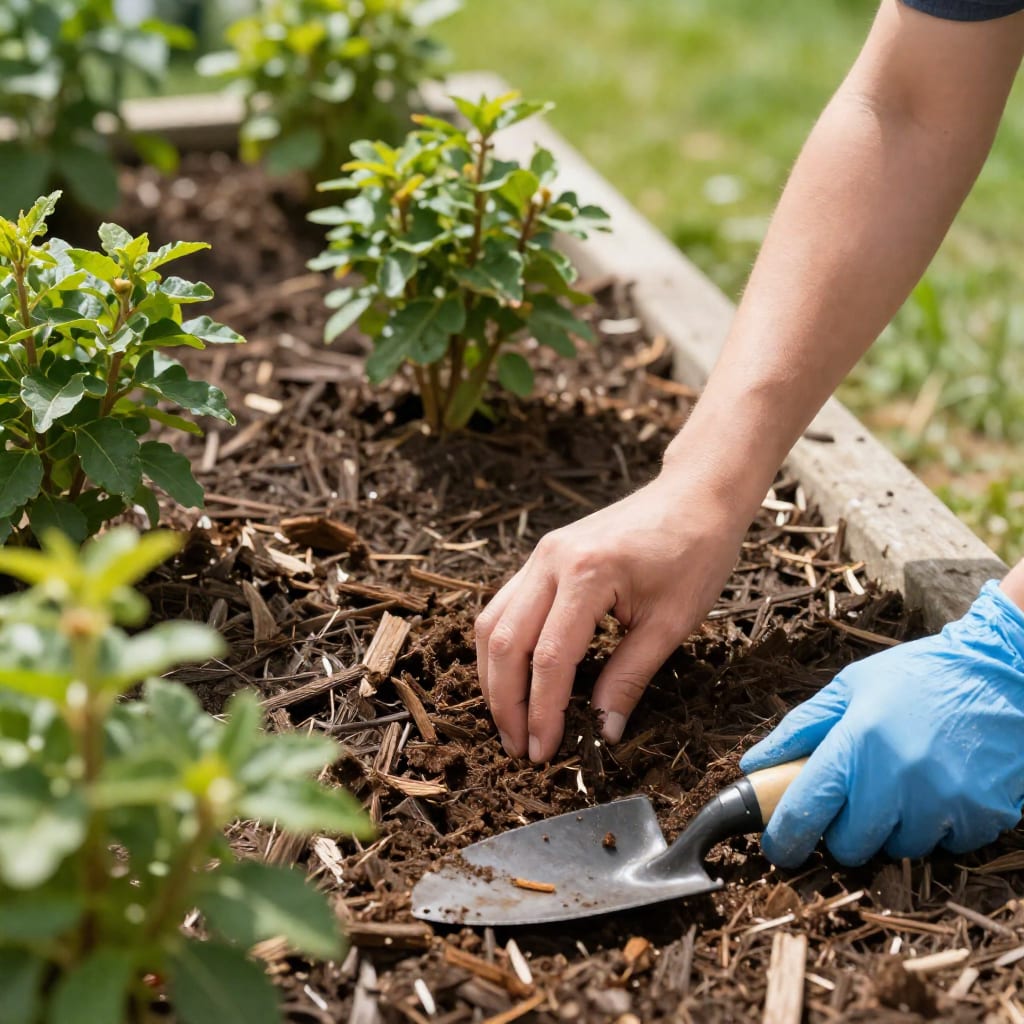
Even the best shrubs for a low-maintenance landscape will need a little smart planning to keep the work minimal. First, group plants with similar water needs together—this way, you're not overwatering some while underwatering others. I use a drip irrigation system on a timer for the first year, then disconnect it once shrubs are established. Second, mulch heavily (2-3 inches of wood chips or bark) around each shrub. Mulch suppresses weeds, retains moisture, and adds organic matter as it breaks down. I learned this the hard way: the first year I skipped mulch, I spent every weekend pulling crabgrass from around my new shrubs. Now, with a thick layer, I only weed once a month. Third, space shrubs properly according to their mature size. Cramming them together creates a pruning nightmare later. For example, a 'Knock Out' rose needs about 3 feet between plants; a boxwood hedge can be closer, but still leave room for airflow. Finally, use groundcovers like creeping thyme or sedum between shrubs to fill gaps and reduce bare soil that weeds love.
Common Mistakes to Avoid When Planting Low-Maintenance Shrubs
I've made every mistake in the book, so you don't have to. Here are the top pitfalls that sabotage even the toughest shrubs:
- Overwatering: Most low-maintenance shrubs die from kindness. After the first growing season, water deeply only during prolonged drought. I killed a beautiful 'Blue Star' juniper by watering it weekly the second year—the roots rotted. Now I let my shrubs go thirsty unless the leaves wilt.
- Planting too deep: Always plant at the same depth as the nursery pot. Burying the root crown leads to rot and death. I once planted a viburnum an inch too deep, and it declined for a year before I dug it up and corrected it. That was a lot of wasted effort.
- Ignoring site conditions: Don't plant a sun-loving shrub in shade and expect it to thrive. Match the shrub to the spot, not the other way around. For instance, oakleaf hydrangea needs partial shade; Russian sage needs full sun. Check your light before buying.
- Skipping soil preparation: Even neglect-tolerant shrubs need good soil for the first year. Amend clay soil with compost, and loosen compacted ground. I spent 10 minutes per hole adding organic matter, and it paid off in faster establishment.
- Pruning too much: Remember, the goal is neglect. Over-pruning stresses plants and encourages weak growth. Stick to removing dead, damaged, or crossing branches annually—nothing more.
Conclusion: Your Next Steps for a Thriving, Low-Effort Landscape
Choosing the best shrubs for a low-maintenance landscape isn't about finding a magic plant that does all the work—it's about picking the right plants for your site and giving them a strong start, then stepping back. Start with just one or two shrubs from this list that match your light and soil. Plant them correctly, water them the first year, mulch well, and then enjoy your weekends. I promise, you'll spend more time relaxing in your yard than working on it. My own garden now looks better than when I was constantly fussing, and I have more time to actually sit on the patio with a coffee instead of wrestling with pruners. That's the real payoff. Worth bookmarking before your next nursery trip—these shrubs are the kind of friends you want around for years.
Frequently Asked Questions
What is the absolute easiest shrub to grow for beginners?
The 'Knock Out' rose is my top recommendation. It's drought-tolerant, needs no deadheading, resists pests and diseases, and blooms nonstop. Just plant it in full sun and water it the first year—after that, it's basically self-sufficient.
How much sun do low-maintenance shrubs really need?
Most of the shrubs on this list thrive in full sun (6+ hours daily), but a few, like oakleaf hydrangea and boxwood, tolerate partial shade. The key is matching the shrub to your site. If you have a shady spot, choose oakleaf hydrangea or dwarf yaupon holly; for sunny areas, go with Russian sage or 'Blue Star' juniper.
Do low-maintenance shrubs still need watering after the first year?
Yes, but only during extreme drought. Once established (after 1-2 years), most are drought-tolerant. During a dry spell, give them a deep watering every 2-3 weeks if there's no rain. Otherwise, leave them alone.
Can I plant low-maintenance shrubs in clay soil?
Yes, but amend with organic matter to improve drainage. Viburnums and dwarf yaupon holly tolerate clay well. Avoid boxwoods and Russian sage in heavy clay unless you've added compost. I've had great success with viburnum in clay without any amendments—it's surprisingly forgiving.
How often should I prune low-maintenance shrubs?
Annually or every other year, usually in late winter or early spring. Stick to removing dead, damaged, or crossing branches. Over-pruning defeats the 'neglect' purpose. For example, I prune my Knock Out roses once in early March, cutting back by about one-third, and that's it for the year.